

The benefits of UK equity crowdfunding for privately-owned businesses that want to raise money is only one side of the coin. For this alternative source of finance to work there have to be sufficient benefits for the everyday retail investors who risk their money by buying shares in those businesses. The businesses they invest in are mainly business startups, and the frequently quoted figures are that 20% of them fail within three years, and that just one in ten survives ten years. It is generally accepted that online equity crowdfunding began in the UK with the platforms Crowdcube and Seedrs (now rebranded as Republic Europe). This blog looks at some of the UK equity crowdfunding success stories that satisfied both company founders looking to raise money and investors looking for big equity crowdfunding returns (ROI).
The two leading UK equity crowdfunding platforms are also able to offer privately-owned businesses opportunities to raise funding throughout the European Union. A blog on top European equity crowdfunding platforms is available.
It must be noted that some companies have secured investment through multiple rounds of crowdfunding at different share prices. Different types of shares can also have different values within the same company. The calculation of any return on investment also depends on factors applying at the time shares are sold: their value can go down as well as up. And remember that businesses that raise money through equity crowdfunding very rarely pay dividends to investors.
Company exits and personal exits
In the earliest days of equity crowdfunding, retail investors had no access to markets for shares in privately-owned companies. Securing a return on investment relied on a startup going all the way through various funding stages to eventually launch its own shares through an IPO (initial public offering), a share buyback, or be acquired by a more established trade buyer or a private equity firm. “Illiquidity” was a common derisory comment from anyone with a vested interest in keeping interest low in equity crowdfunding.
The growth of secondary markets in recent years has largely removed this barrier, and retail investors are often able to plan and follow through their personal crowdfunding ROI exit strategies at a time when it suits them. However, not all startups allow their shares to be traded on secondary markets. It is something that has to be checked before going ahead and investing in any new business.
UK equity crowdfunding success stories
The following twelve examples include businesses that have given investors high levels of equity crowdfunding ROI through company exits, share buybacks, paper-profits, or the potential for personal exits through a secondary market. They are in alphabetical order.
BrewDog (updated June 2026)
BrewDog had been one of the most well-known success stories on the Crowdcube platform, providing significant returns to its early investors through its "Equity for Punks" campaigns. Up to 2016, it had grown into an international craft beer brand with numerous bars and breweries worldwide, and was one of the iconic equity crowdfunding success stories.
Early investors who backed the startup in 2010, at a valuation of £26 million, saw their shares increase significantly in value. By 2017, investors who had bought one £230 share were sitting on a shareholding worth £6,590, representing a colossal rise in value of 2,765% in seven years.
The company organised several share buyback events, including in 2017 when shareholders were able to sell up to half their shareholding back to BrewDog.
The company’s 2024 valuation was reportedly in the region of £2 billion.
In more recent years BrewDog’s company culture has earned a poor reputation and been branded as “toxic.” The co-founder and former CEO James Watt left the company in 2024, in what many saw as a step towards an IPO.
However, mounting losses as the business invested more in 'bricks and mortar' bars around the world, and the lack of the former drive and vision of its founders, forced BrewDog into Administration in early 2026. The business was bought by a US beverage and medical cannabis company at a knockdown price of £33 million, and the "Equity for Punks" retail investors who had backed the crowdfunding were left with nothing.
FreeAgent
FreeAgent is a cloud accounting software company, and raised £1.2 million on Seedrs in 2015 when the business was valued at £16 million. The company was acquired by banking group RBS for £53 million in 2018, providing investors with a return of approximately 3x their original investment in three years.
Freetrade (updated January 16, 2025)
Freetrade has offered significant returns to its Crowdcube investors. It is an award-winning investing app with over 1.4 million users, currently authorised and regulated by the Financial Conduct Authority (FCA) in the UK, and also previously by the Swedish Financial Supervisory Authority (FSA) in Sweden. It intended to roll out across Europe, though pulled out of the Swedish market in August 2024 in order to focus solely on the UK market.
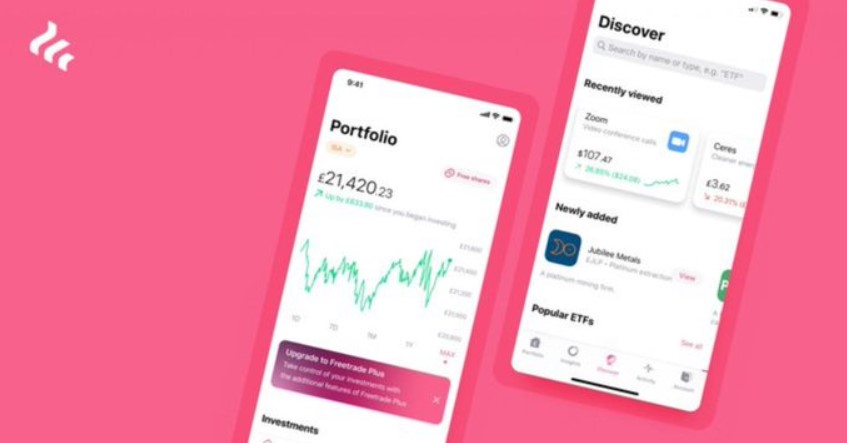
Investors in the first crowdfunding round in 2016 bought shares at a valuation of around £2 million. In 2019, venture capital firm Draper Esprit (now Molten) completed a Series A investment in Freetrade. In March 2021, Freetrade raised a $69m Series B investment round led by New York-based growth equity firm, Left Lane Capital. Following another round of crowdfunding in the same year that raised £8.4 million, at a share price of £9.25, the business was valued at £650 million by November 2021. This translated to a substantial multiple on the initial crowdfunding investments, representing returns of more than 300x for earliest investors.
However, for those that held on to their shares, fintech company valuations were subject to significant global downward readjustments in 2023. Another round of Freetrade crowdfunding in June 2023 saw the shares go for £2.60.
In January 2025, the listed online trading platform IG Group announced it had bought Freetrade for £160million, with shares valued at £1.19. This has a range of impacts on crowdfunding investors, subject to when they bought their shares and at what price. Earliest investors in 2016 bought their shares when Freetrade was valued at about £2 million. For those that still have some shares, a £160m buyout still looks very good. For investors who climbed aboard in 2021 when shares were priced at £9.25 against a valuation of £650 million, it's a very different picture. An investor who put in £30,000 at that time is going to make a loss of £26,200 on their original outlay.
Landbay
Landbay is a peer-to-peer lending platform focused on the buy-to-let mortgage market. It raised £1.6 million on Seedrs (now Republic Europe) in 2014 at a valuation of £2.5 million. By 2019, the company was valued at £100 million, providing early investors with a return of 40x their initial investment.
The London-based platform has loaned over £2.2 billion to property buyers in the UK buy-to-let sector through more than 10,400 deals.
The Republic Europe Secondary Market indicates their share value has risen by 3,340%
Mindful Chef
Mindful Chef, a healthy recipe box delivery service and a B Corp business, provided investors strong returns upon its acquisition. It raised £1 million from 638 people in a 2017 crowdfunding round, who celebrated what was reckoned to be around a 350% return on their investment when the health food delivery service was acquired by Nestlé in 2020. However, the actual amount paid by Nestlé was never confirmed to be able to calculate accurate equity crowdfunding returns.
Monzo
When investors participated in the digital bank Monzo’s 2016 crowdfunding round in 2016 it was valued at approximately £30 million, and had a share price of 51 pence. By its second round in 2017 it was valued at £65 million and a share cost £1. By its third round in 2018 it had a valuation of £280 million and shares were priced at £7.71. The fourth and final round of crowdfunding was in 2019, when the business was valued at £1 billion and shares were priced at £13.02.
By March 2024, Monzo had secured a fresh round of funding that boosted its valuation to $5.2bn, approximately £3.85bn. On a straight pro-rata basis from a 2016 valuation of £30 million to £3.85bn, this implies a share value in the region of £65 - around 130x growth on the initial 51p in 2016. What an amazing level of equity crowdfunding returns in eight years! However, the market will always find its own price between buyers and sellers.
Mr & Mrs Smith
A recent addition to equity crowdfunding success stories is Mr & Mrs Smith. In 2003 a husband and wife team started reviewing boutique hotels anonymously to give a properly objective assessment. It developed into a boutique hotel online booking service, and in 2018 Mr & Mrs Smith reached its £1m equity crowdfunding target within one day of its project being fully open to all Crowdcube’s network of investors. It then went into overfunding. At the time the business was valued at approximately £30m pre-crowdfunding, and the crowdfunding round sold a reported 17.61% of the business.
The founders’ aim was to build a profitable business and exit in three to five years time through a trade buyer or a private equity acquisition. The Covid-19 pandemic that began in 2019 hurt the entire travel sector. A second round of equity crowdfunding followed in 2020, and across both rounds just over 2,000 backers invested around £6m.
In April 2023 the business was bought by the Hyatt Hotels Corporation for £53 million.
Oddbox
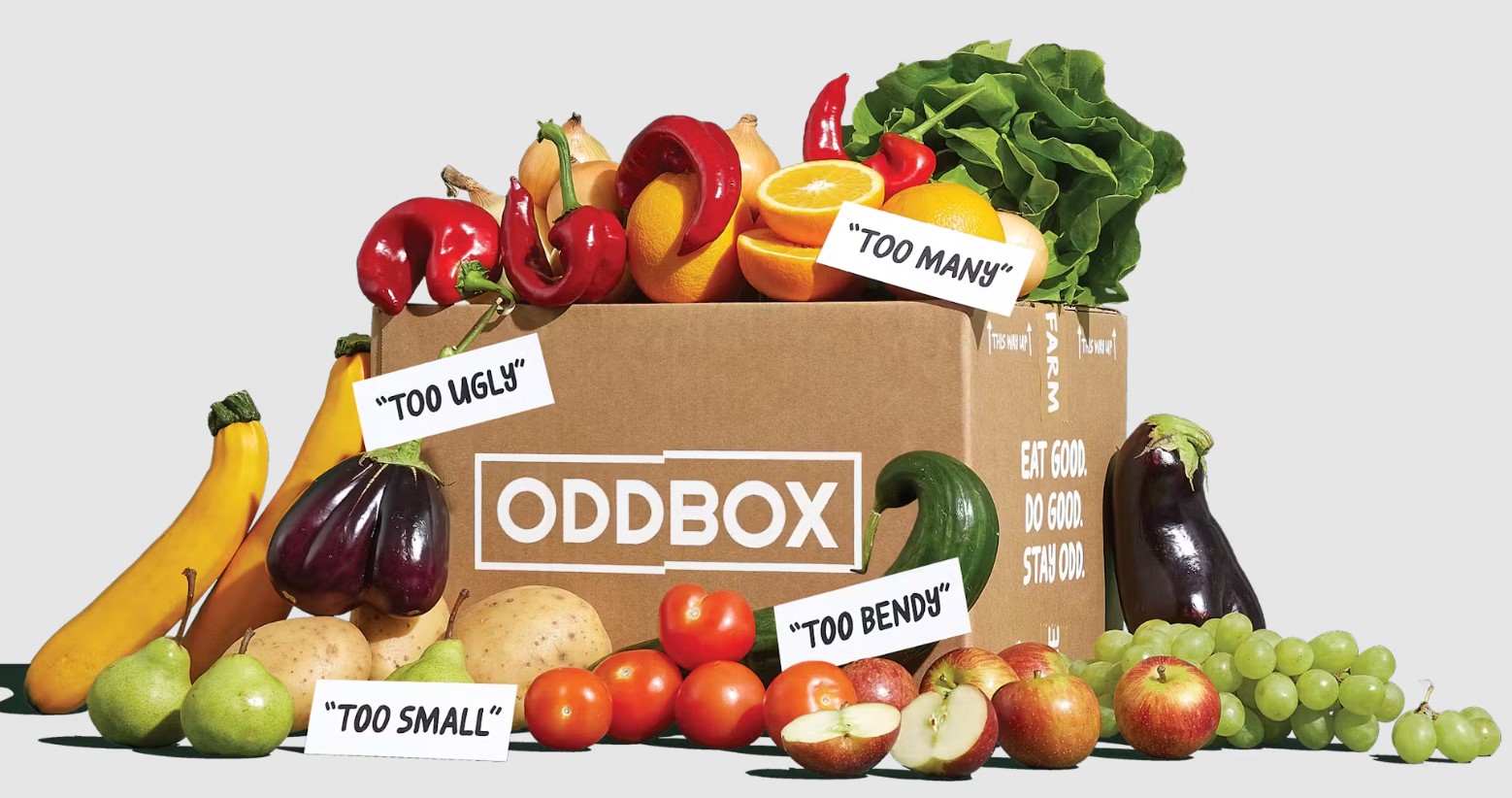
Oddbox is another UK-based fruit and vegetable box delivery service that has experienced significant growth since its equity crowdfunding campaigns on the Seedrs platform (now Republic Europe). Supermarkets do not stock what they consider to be misshapen fruit or vegetables. Oddbox began in 2016 and focused on reducing food waste by delivering surplus and "odd-looking" produce directly to consumers.
Its first crowdfunding round in 2018 saw over 700 backers invest £520,000 at a share price of £2.12. In a second round in 2020 the share price had risen to £7.93 and the business raised £3 million from over 2,000 investors. Before this raise the business had been valued at £16m.
Over a similar timeframe, revenues at the business soared during the pandemic from just £3.4m in 2019 to more than £30m in 2021. Based on this data, Republic Europe’s Secondary Market gives Oddbox’s valuation as almost £110m, making each share worth £459.26 in November 2021. This represents over 200x ROI for the earliest crowdfunding investors.
However, sales fell 8% to £29.7m in the year ended 30 June 2023, and the company recorded a pre-tax loss of £3.7m. Republic Europe’s valuation has not yet taken account of this.
Pod Point
Pod Point, an electric vehicle charging company, was acquired by the mainstream energy supplier EDF Energy in 2020. Pod Point had raised £1.5 million on Seedrs in 2015 at a valuation of £20 million. There were further rounds of equity crowdfunding in 2017 and 2019. When EDF acquired Pod Point for £110 million in 2020, the earliest investors saw a return of around 5.5x on their original investment. This undoubtedly makes it worth its place among equity crowdfunding ROI success stories.
Revolut
Fintech startup Revolut has provided impressive returns to early investors in crowdfunding campaigns on both Crowdcube and Seedrs. The digital financial services provider was an early entry into crypto-currency markets, which some people say rocketed its success.
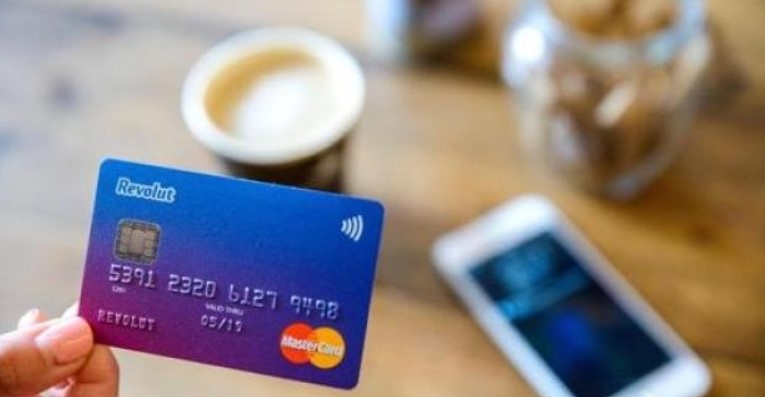
Investors who participated in the 2016 equity crowdfunding round bought shares priced at £0.77, and the company was valued at approximately £42 million. In a 2021 funding round, Revolut's valuation reached $33 billion, significantly increasing the value of those shares.
Revolut has conducted several buyback programs to offer liquidity to early supporters. For example, in January 2020, Revolut allowed early investors to sell up to 50% of their shares. This buyback program aimed to provide liquidity to those who had invested during its early crowdfunding rounds. The buyback was conducted at a significant premium compared to the initial investment price, reflecting the increased valuation of the company since its early days.
In July 2024 Revolut gained its UK banking licence, which will further enhance its market value and the returns that early investors will ultimately enjoy. The newly registered bank aimed to justify a $45bn valuation for an upcoming share sale.
According to an August 2024 Forbes article, Revolut’s share price has risen 400x since it launched. In terms of equity crowdfunding returns, it stands to be one of the biggest, if not the biggest crowdfunding ROI of all time for early crowdfunding investors.
In 2026, Revolut's value reached an acknowledged £75bn.
The Cheeky Panda
The Cheeky Panda makes tissues and related products from bamboo pulp. They are more sustainable than tissues made from paper (trees), and naturally stronger and more hygienic. Despite these advantages, none of the major tissue-making companies had bamboo product options. Yet their market dominance could have crushed a startup looking to disrupt the marketplace.
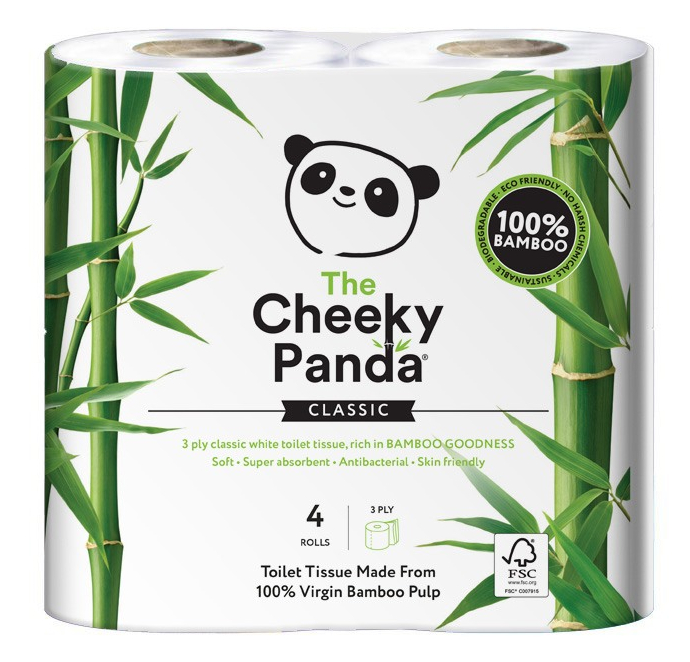
In 2016, Cheeky Panda ran a rewards-based crowdfunding round with an aim to secure at least £10,000 of orders. It succeeded, which provided concept validation. They fulfilled the initial orders, which included my own initial 45 rolls, and it also provided them with samples to take to potential stockists. It also secured an angel investor, which accelerated their growth plans. A round of equity crowdfunding soon followed. Shares were priced at £4.23 (£2.96 after a 30% EIS refund), and selling 10% of the business for £500,000 provided a company valuation in the public domain of £5m.
Subsequent rounds of equity crowdfunding saw the share value climb to £50, and today the award-winning company has a 17x valuation of £86.5 million. The Cheeky Panda shares can be bought and sold on Republic Europe’s secondary market. Even at £50 they could represent an advantage over an eventual IPO share price. It certainly deserves its place among equity crowdfunding ROI success stories.
After a rebranding exercise in 2025, The Cheeky Panda is on course to meet its twin aims of £50 million a year turnover, and a £100 million valuation.
WeSwap (updated December 2024)
WeSwap is a peer-to-peer currency exchange platform that has provided strong returns to its early investors. WeSwap raised £2.4 million on Seedrs in 2016 at a valuation of £15 million. By the time of its IPO (Initial Public Offering) on the London Stock Exchange in 2019, the company was valued at approximately £40 million, giving investors equity crowdfunding returns of over 2.5x their initial investment.
UPDATE: The WeSwap management team made a difficult decision to cease administrative operations in relation to the distribution of the travel money program and mobile app effective October 8, 2024. This followed the failure of Manigo, the technology service provider. All customer funds remained safe and were returned. Which was welcome relief because I was one of them. Source: https://www.weswap.com/, December 12 2024
UK investor tax benefits
The extent of personal profits also needs to take into account the rules relating to EIS and SEIS registered businesses. They are part of a government initiative that aims to encourage investment in small UK businesses by offering tax incentives to investors. Investors in a business registered under the Seed Enterprise Investment Scheme can claim back 50% of their investment if they are a UK taxpayer. For EIS, the Enterprise Investment Scheme, it is 30%. These levels of refunds significantly improve the levels of equity crowdfunding returns for investors.
When companies registered under SEIS or EIS fail, investors are able to claim back even more of their initial investment value through the UK tax system. Profits from successful equity crowdfunding returns are excluded from having to pay Capital Gains Tax, as long as certain terms and conditions have been met.
Lessons for shareholders
Equity crowdfunding can definitely work, and for all types of stakeholders in the process. It has genuinely helped hundreds of businesses reach early-stage capital they could not have accessed through conventional routes.
But it requires retail and angel investors to approach it with the same discipline they would bring to any other financial decision: read the accounts, understand the capital structure, know who gets paid first if things go wrong, and recognise that loyalty to a brand and sound investment practice are two very different things.
Never take a paper valuation for granted, and never treat a crowdfunded investment as something you can simply file away and forget. Marketplaces are dynamic, and circumstances can change suddenly and significantly. Investigate how to carry out your own exit strategies, and have more freedom to study the market and choose when to cash out.
What personal successes, or maybe words of caution, would you like to share with us?


0 Comments